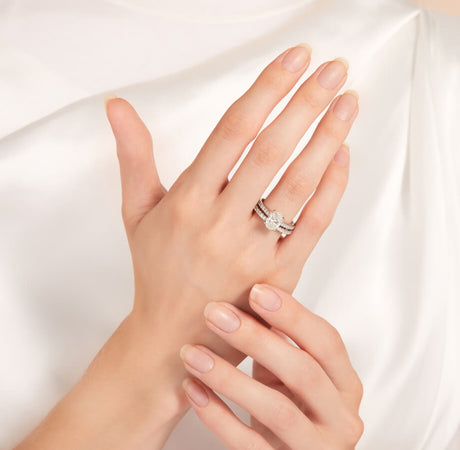
How to Choose an Engagement Ring

Holts Gems, Hatton Garden
An Engagement Ring Buying Guide
Buying an engagement ring is exciting, but it can feel like a lot to get right at once. There is style to think about, metal choices, diamond cut and shape, sizing, and the practicalities of everyday wear. This guide is designed to help you make a confident decision, whether you are browsing ready to wear designs or planning something bespoke.
At Holts Gems, we work with clients who want clear guidance, honest comparisons and a ring that feels right for the person who will wear it. Use this guide to get your priorities straight, understand the options, and narrow down to a shortlist you can genuinely feel good about.

Bespoke Services
The four tips that make everything easier
-
Before you compare carat weights or settings, focus on what your partner actually likes wearing. Look at the jewellery they choose day to day. Do they wear yellow gold or silvery tones, do they like delicate pieces or bold statement designs, do they prefer clean modern lines or vintage detail. When you start with style, the rest of the choices become far simpler because you are filtering everything through their taste.If you are unsure, think about what they consistently choose. Consistency matters more than one standout piece. A ring is worn every day, so comfort and personal style tend to win over trends.
-
A realistic budget is not about rules, it is about priorities. One person might care most about a crisp, bright diamond with excellent sparkle. Another might want a particular shape, a low profile setting for daily life, or a handmade design that feels one of a kind. Your budget goes further when you decide what matters most, then build the ring around that decision.Cut quality is often the biggest visual difference in a diamond’s beauty because it drives brightness and sparkle, while other factors can be balanced depending on what you value. That is why you will see reputable diamond education sources putting real emphasis on cut and light performance.
-
The proposal is one day, the ring is for everyday wear. Lifestyle should influence your setting choice, band width and the ring’s overall profile. If your partner is active, uses their hands a lot, or wears gloves for work, a lower profile design and protective setting can make the ring more practical and comfortable. If they love sparkle and do not mind a higher setting, you have far more design freedom.This is also where metal choice matters. Some metals need more maintenance than others, and some wear differently over time. You can still choose what looks best, but it helps to know what ownership looks like long term.
-
Sizing is often left until the end, but it is worth thinking about early because some designs are easier to resize than others. Rings with diamonds set around the band, very intricate shoulders, or certain setting styles may have limitations. Planning sizing properly also helps you avoid unnecessary stress around the proposal.Aftercare is just as important. A ring that is checked, cleaned and maintained will look better for longer, and it will be safer for the stone. If you know you want a ring to last for decades, build that thinking into the buying process from the start.

Understanding
Different types of engagement rings
When most people say “style”, they often mean the overall ring type. This is a helpful place to start because it defines the silhouette on the hand and how the centre stone is presented.

Solitaire

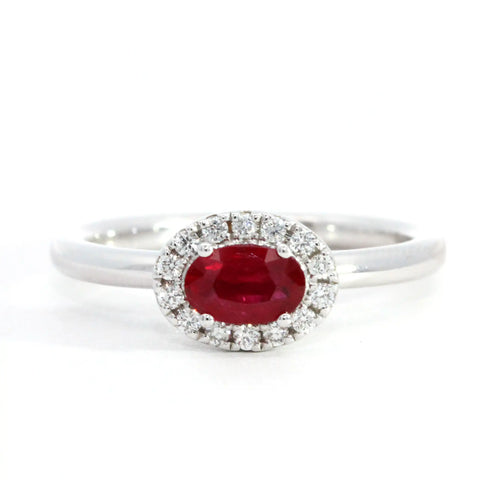
Halo

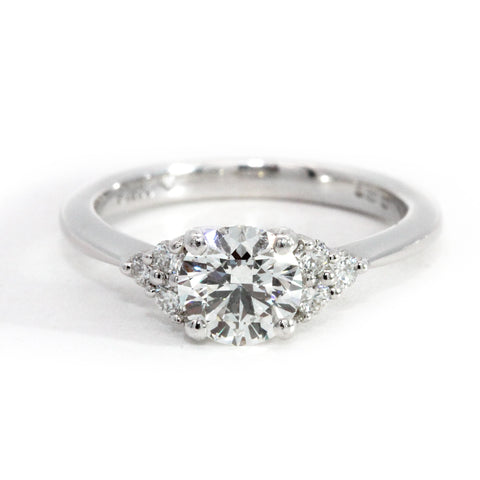
Trilogy

Cluster

Vintage

Bezel

Shoulder set

Bespoke Services
The difference between cut and shape, and why it matters
People often use “cut” and “shape” as if they mean the same thing, but they do not. Shape is the outline you see, like round, oval or emerald. Cut describes how the diamond has been faceted and proportioned to handle light. This is why two diamonds of the same shape can look completely different in brightness and sparkle. GIA describes diamond cut grading as an assessment of how proportions, symmetry and polish work together to influence light performance, meaning the brightness and sparkle you actually see. GIA also explains the difference between a diamond’s shape and its cut style, and how both affect the finished look.
-
For round brilliant diamonds, cut grading is widely standardised, and it is one of the most useful parts of a diamond report because it speaks to visual performance. A well cut diamond reflects light back to the eye more effectively, which is why it looks brighter and more lively. A poorly cut stone can look dull even if its colour, clarity and carat weight seem impressive on paper. Cut is also tied to the feel of the diamond. A crisp, well proportioned stone often has a cleaner face up look, while a stone with compromised proportions can look smaller for its carat weight or appear darker in the centre.Image placeholder suggestion: Two side by side images of the same shape with different cut quality, plus a simple diagram of light return.
-
A brilliant cut style uses triangular and kite shaped facets designed to maximise sparkle. Round brilliant is the best known, but many fancy shapes can be cut in a brilliant style too.A step cut style uses long, straight facets that look like steps. Emerald and Asscher shapes are typically step cut. Step cuts are not about maximum sparkle, they are about clarity of lines, elegant flashes of light, and a crisp “hall of mirrors” effect. Because step cuts are more revealing, clarity and precision matter.A mixed cut style combines brilliant and step cut elements. Radiant is a common example, offering more sparkle than an emerald shape while still keeping a structured outline.Vintage cut styles vary, but they often have broader facets and a different type of light performance that people describe as softer, warmer or more romantic. If you love antique jewellery, a vintage cut style can be a strong choice.

Diamond shapes explained
How each one looks on the hand
GIA’s shape guide covers the most popular options you will see in engagement rings, and the list below follows those core shapes, with practical guidance on who they typically suit.

Princess

Cushion
Emerald

Asscher

Radiant

Heart

Round

Oval

Pear

Marquise
The Details
Choosing the overall design, setting, band and details
Design is where the ring becomes personal. Two rings can have the same centre diamond, but feel completely different based on the setting, the band and the finishing details.
Start with how you want the centre stone to sit. A higher setting can allow more light and a more classic engagement ring silhouette, but it can catch more easily. A lower setting can be easier for everyday wear and feels more modern. If your partner wears knitwear often, uses their hands a lot, or works in healthcare, childcare or fitness, comfort and practicality matter.
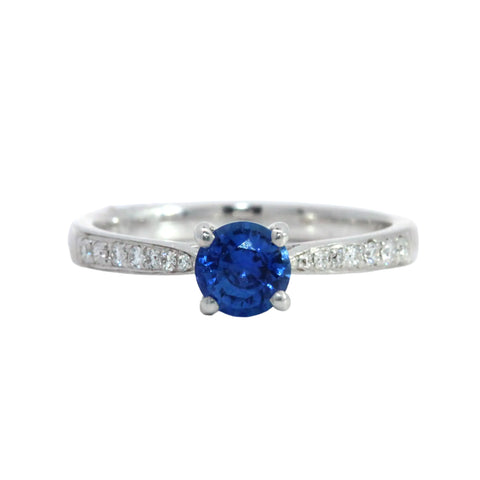
Next consider the setting style itself. Claw settings are popular because they show more of the stone. Bezel settings are popular for a sleek look and added protection. Halo settings create extra sparkle and presence. Three stone settings can add meaning and balance.
Band width changes the whole proportion of the ring. A slimmer band can feel delicate and refined. A slightly wider band can look contemporary and may feel more secure on the finger. Shoulder details, like pavé set diamonds, add sparkle and can pull the design together, but they also affect maintenance and resizing options.
Finally think about personal details. Some people want a hidden halo, an engraved message, a particular claw style, or a subtle design feature that only the wearer knows about. These choices are often what makes the ring feel truly bespoke, even when the overall style is classic.

Choosing the metal
What changes visually and practically
Metal choice affects colour, maintenance, durability and the overall style of the ring. It also affects how the diamond looks, because metal colour can influence the overall warmth or brightness of the setting.
If your partner already wears one metal almost exclusively, matching that is usually the simplest way to ensure the ring feels like it belongs on their hand from day one.

Platinum
White Gold

Yellow Gold
Discover our
Engagement Rings

Ring sizing, how to get it right, even if it is a surprise
Getting the size right is ideal, but it is not always straightforward when you are planning a surprise proposal. The first thing to know is that finger size can change throughout the day and across seasons. Cold weather can make fingers slightly smaller, and warmer temperatures can make them larger. Band width can also affect feel, wider bands often need a slightly larger size for comfort. If you can borrow a ring they already wear, that can be helpful, but make sure it is a ring worn on the correct finger. Some people wear rings on different hands or different fingers, and that can lead to mistakes. If you are unsure, it is often better to propose with your best estimate and plan for resizing afterwards, as long as the chosen design allows it. It is also worth thinking about the future. Some people prefer a snug fit because it feels secure. Others prefer a slightly looser fit for comfort. If your partner has expressed preferences about jewellery comfort, factor that in. If you are working with Holts Gems on a bespoke ring, sizing can be part of the consultation process, and you can be guided on the most practical approach based on the specific design.
“Since the establishment of Holts Gems, our mission has remained the same - to provide a service of expert crafting, a range of the finest gemstones, and offer valuable advice.”
jason holt

Visit us
How to find Holts Gems
If you would like to view engagement rings in person, compare diamond shapes, or discuss a bespoke design, you can visit Holts Gems in Hatton Garden. Holts Gems is located at 1st Floor, 39 Greville Street, Hatton Garden, London EC1N 8PJ. The nearest tube stations include Chancery Lane and Farringdon, both a short walk away, with Chancery Lane on the Central line. For appointments and enquiries, you can call 0207 405 5286 or email info@holtsgems.com. Opening hours are listed by Holts as Monday to Friday daytime, with Saturday available by appointment. If you would like a more focused, one to one experience, booking an appointment is the best way to view options and talk through your shortlist with an expert.
Why not take a look at...
Our Product Collections


Holts Gems
1st Floor, 39 Greville Street, Hatton Garden, London EC1N 8PJ

-
Chancery Lane
-
Farringdon
